
Hi-vis printing and EN ISO 20471: a plain-English guide
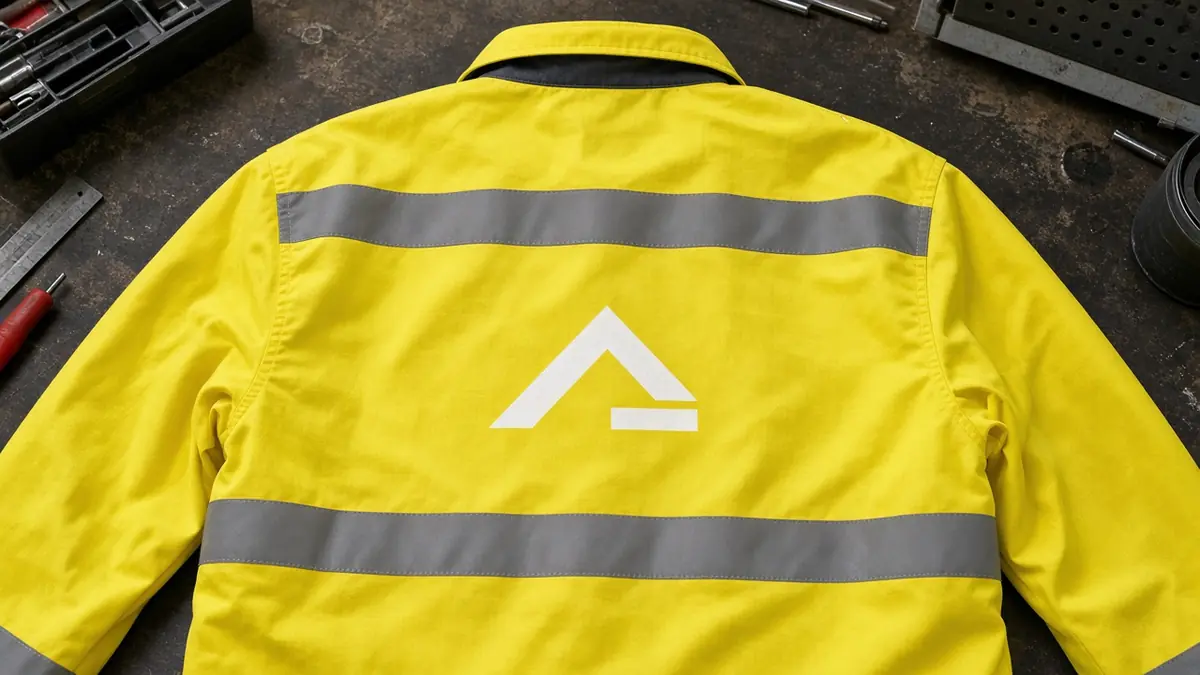
Builders, scaffolders, roofers and drivers ask us the same questions about hi-vis: which class do I need, where can my logo go, and will printing it break the standard? This guide answers them in plain English. It is general information about garments and the standard – not a certification and not a substitute for your site’s own rules.
What EN ISO 20471 is
EN ISO 20471 is the standard for high-visibility clothing used where you need to be seen. It sets minimum visible areas of fluorescent background fabric (the bright yellow, orange or red) and retroreflective material (the grey tape that shines in headlights), in three classes. Class 3 is the highest.
| Class 1 | Class 2 | Class 3 | |
|---|---|---|---|
| Fluorescent background | 0.14 m² | 0.50 m² | 0.80 m² |
| Retroreflective tape | 0.10 m² | 0.13 m² | 0.20 m² |
Class 3 garments cover the torso and have sleeves with reflective bands and/or full-length trouser legs. Colour and reflectivity are tested before and after the maximum number of washes shown on the label. The smallest size of a garment is the one that is tested, so it has the least room for logos.
Who decides which class you need
Not the printer, and not the garment shop. The class is chosen by the risk assessment for the work. HSE guidance says hi-vis should be worn wherever vehicles or plant operate on a construction site; a vest is often enough for routine site use, while work on roads needs a higher standard such as long-sleeved jackets and trousers. Follow your site’s policy and ask your main contractor if unsure.
How a logo affects hi-vis
- Never on the reflective tape. Covering or interrupting the tape compromises the garment.
- Logos on fluorescent fabric reduce its visible area. The remaining area must stay at or above the class minimum.
- Contrast panels are different. A logo on a non-fluorescent panel, such as navy shoulders, doesn’t eat into the fluorescent area.
- Several logos add up. A small chest logo alone is unlikely to matter, but chest, big back and sleeve prints together can push a garment below its class.
- Check the maker’s guidance. Some garments state a maximum logo area, and some are designed with extra fluorescent area to allow branding.
What we do – and don’t do
We print your logo on hi-vis without covering the reflective tape, keep logos to a sensible size and talk you through placement before anything is printed. We don’t certify garments: the EN ISO 20471 class belongs to the garment maker, and the class you need comes from your risk assessment. If your main contractor has specific hi-vis rules, send them with your quote request and we will work to them.
Rain jackets, flame-resistant and chemical-splash kit
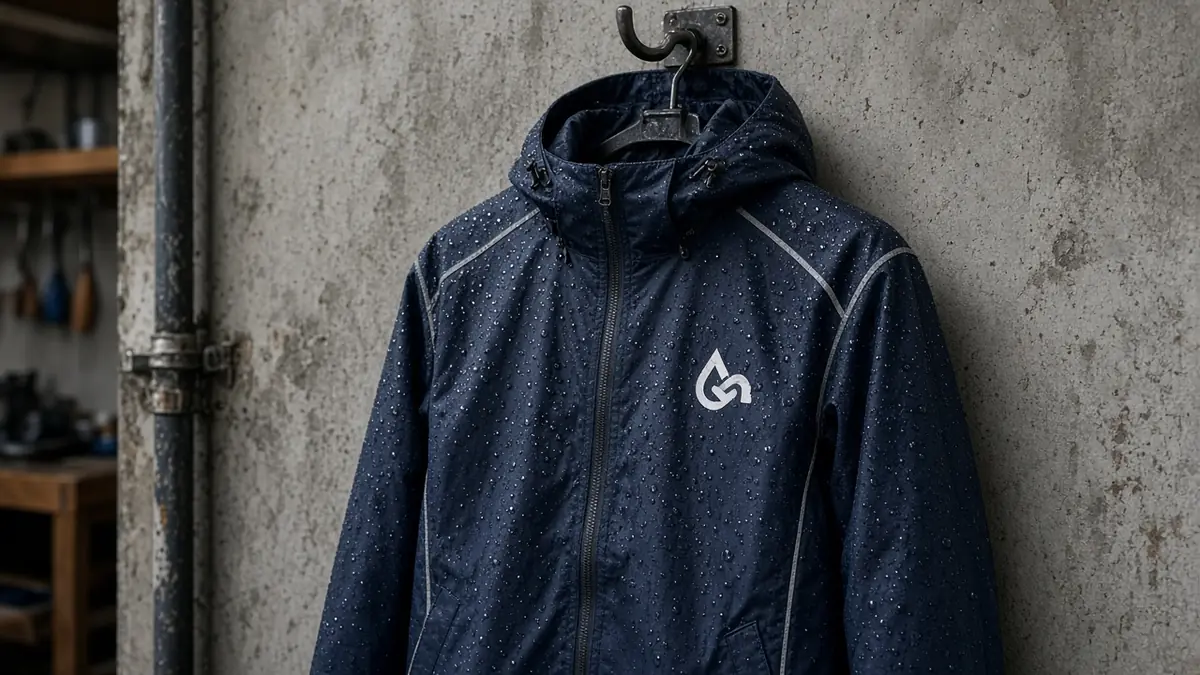
Rain jackets: waterproof jackets are rated by the garment maker. We use heat-applied transfers rather than stitching, because embroidery punctures the waterproof membrane. Flame-resistant, arc-flash or chemical-splash clothing is specialist protective equipment: talk to us first – we check what the garment maker allows and may refer you on.
Washing printed workwear and hi-vis
- Turn garments inside out.
- Wash no hotter than the garment label allows.
- No bleach or fabric softener.
- Low tumble or line dry; do not iron directly on the print.
- Hi-vis: keep to the label’s maximum number of washes – the fluorescence is tested to that number. Faded or damaged hi-vis should be replaced.
How long a print lasts depends on the garment and the transfer, so we advise per job. If your kit goes through an industrial laundry, tell us before you order.
Hi-vis questions
Does printing a logo on hi-vis affect EN ISO 20471?
It can. A logo on the fluorescent fabric no longer counts towards the fluorescent area, and printing on the reflective tape compromises it. Small logos placed clear of the tape are unlikely to matter on their own, but several logos add up. Check the garment maker’s guidance for the maximum logo area.
Do you certify hi-vis garments?
No. The EN ISO 20471 class comes from the garment maker’s certification. We print on the garment and keep prints off the reflective tape; the class your site needs comes from your employer’s or client’s risk assessment.
Which class do I need?
That is decided by the risk assessment for your work. HSE guidance says hi-vis should be worn wherever vehicles or plant operate on site, and roadworks need a higher standard. Ask your site manager or main contractor.
How should I wash printed hi-vis?
Follow the garment label, including the maximum number of washes, because the fluorescence is tested to that number. Turn it inside out, avoid bleach and softener, and do not iron the print. Print wash ratings depend on the garment and transfer, so we advise per job.
Can you print flame-resistant or chemical-splash workwear?
Talk to us first. Protective garments have rules about what can be added and how, so we check what the garment maker allows and may refer you on to a specialist.
Sources
Guidance summarised from: HSE, Construction PPE FAQ; BSIF, Guidance for buyers of PPE – logos and alterations; REMA, Hi-vis workwear bulletin; Health and Safety Authority, High visibility clothing.
Ready to brand your hi-vis? See builders’ workwear by trade, our workwear packs or get a quote.